Britannia Shipyards on the Steveston waterfront
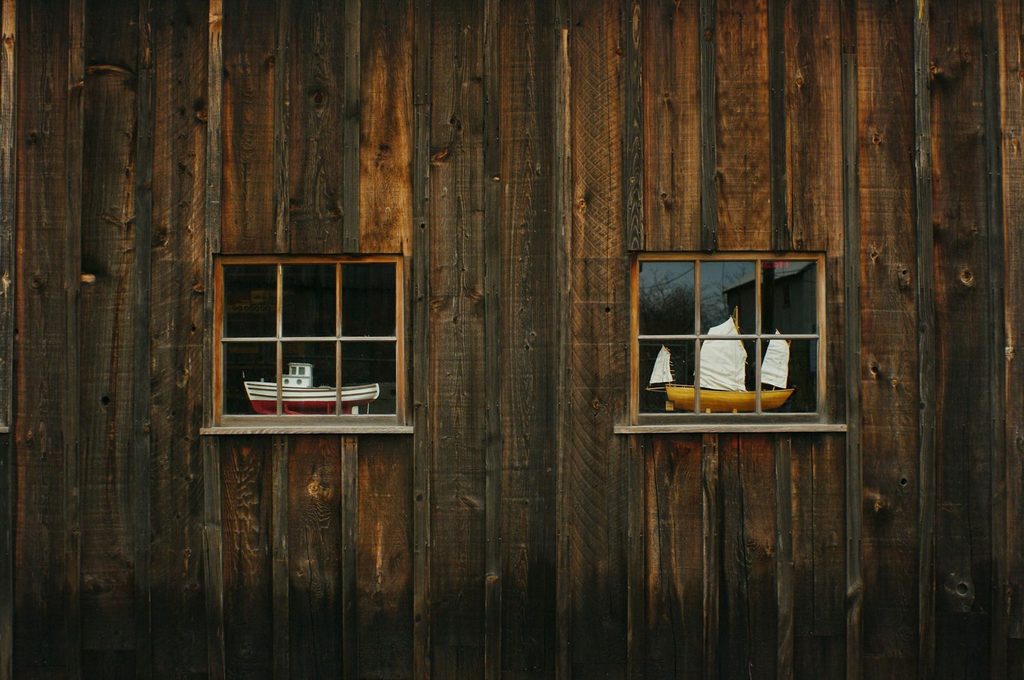
A cluster of old cannery and boatbuilding sheds on the Fraser, with houses and bunkhouses that tell the stories of the people who worked the river. More in River and dykes
From the Canada Line About half an hour by busGetting there Walk east along the Steveston boardwalkBring Comfortable shoes, a light layer, questions
Local note. Some buildings close in winter. Allow time for the walk along the boardwalk between them.
East of Steveston village, along the river, a row of weathered wooden buildings stands on pilings over the water. This is Britannia Shipyards National Historic Site, one of the oldest surviving groups of cannery and boatyard buildings on the Fraser River. It is smaller and quieter than the cannery in the village, and that is part of its appeal. You can wander between the sheds, look into the workshops and sit on the boardwalk watching the river.
A cannery, then a shipyard
The site began as a salmon cannery in the late 1800s, one of many that lined the Steveston riverbank. As the canning industry consolidated, the buildings were turned over to boat repair and boatbuilding, and for decades the yard built and fixed the wooden fishing boats that worked the river and the coast.
Today the site is owned by the City of Richmond and run with the help of volunteers. The main shipyard building holds boats, tools and work in progress, and volunteers still restore wooden vessels using traditional methods. The smell of sawdust, tar and old timber is part of the visit.
Many of the boats you see here are small wooden gillnetters, the type that once crowded the river mouth in the thousands during the salmon runs. A gillnetter sets a long net across the current and waits for the fish to swim into it. In the early days many were powered by sail and oar; engines came later. Looking at their size, you get a sense of how exposed and hard the work was, out on a fast river and a rough strait in all weather.
The buildings themselves are part of the exhibit. They stand on wooden pilings over the water, so that boats could come right up to them at high tide. Their floors creak, their walls are patched, and their windows look straight out onto the river. It is easy to imagine the site full of noise and people in a busy season.
The people who lived here
What makes Britannia stand out is that it tells the stories of the many communities who worked the cannery and the boats. The canning season brought together people from very different backgrounds, and they often lived apart, in separate housing, along the waterfront.
Indigenous workers
Indigenous families from up and down the coast came to the Fraser each summer to fish and work in the canneries. The river mouth is in Musqueam traditional territory, and Musqueam people fished here long before the canneries arrived. A restored bunkhouse at the site tells part of this story.
Chinese workers
Chinese crews did much of the canning line work, often under contract labour systems with hard conditions and low pay. A bunkhouse at the site shows how they lived.
Also worth a look: Steveston, the fishing village at the river mouth
Japanese Canadian boatbuilders
Japanese Canadian families were central to Steveston's fishing fleet and boatbuilding. The Murakami House, a modest family home on the site, belonged to a Japanese Canadian boatbuilder and his family. In 1942, like other Japanese Canadians on the coast, they were forced to leave, and their boats and property were taken. The house now tells that story in a direct, personal way.
These buildings make the history concrete. You can stand in the rooms where people lived and see how different their conditions were. To continue the story, the Gulf of Georgia Cannery in Steveston village covers the canning industry on a larger scale.
Walking the site
The site is spread along a boardwalk over the water and the grassy bank behind it. A loose loop takes in:
- The shipyard building, with boats and active restoration work.
- The Murakami House and its small garden.
- The bunkhouses that tell the Indigenous and Chinese stories.
- The net loft and other sheds used for storing and mending gear.
- The boardwalk itself, with views up and down the river.
Allow an hour, or more if you like to read every panel and talk with the volunteers. Admission has often been by donation.
Getting there and combining it
Britannia Shipyards is about a kilometre and a half east of the Steveston fishing wharf. The easiest way to arrive is on foot along the river boardwalk and dyke path from the village. The walk is flat and pleasant, and it links Britannia neatly with the cannery and the wharf.
From the Canada Line, ride to Richmond-Brighouse station and take a bus south to Steveston. The trip takes about half an hour. Some buses also stop on Steveston Highway closer to the site, but the walk from the village is more enjoyable.
A good day might combine Britannia in the morning, lunch in the village, the cannery in the afternoon and a sunset walk at Garry Point.
When to visit
Summer is the busiest season, with the most buildings open and the most activity in the shipyard. Special events sometimes run on weekends, including boat displays and community festivals. In the off-season, opening days are fewer and some buildings may be closed, but the boardwalk and the outside of the site are still worth a walk.
The site is mostly level, but some older buildings have steps and uneven floors. The boardwalk can be slippery in the rain.
A grey, drizzly day suits Britannia better than you might expect. The rain on the old roofs and the mist on the river give a sense of what working life here was like for most of the year, and you will often have the buildings almost to yourself. Bring a waterproof layer and take your time.
Families with children usually find the shipyard building the most engaging part, with real boats up close and tools laid out on the benches. Volunteers are often happy to explain what they are working on.
Visiting respectfully
Britannia is a historic site, a working boatyard and a place of memory for several communities. Watch your step around tools and boats under repair, ask before touching anything, and take time with the stories in the houses and bunkhouses. They are told plainly, and they deserve your attention.