Steveston, the fishing village at the river mouth
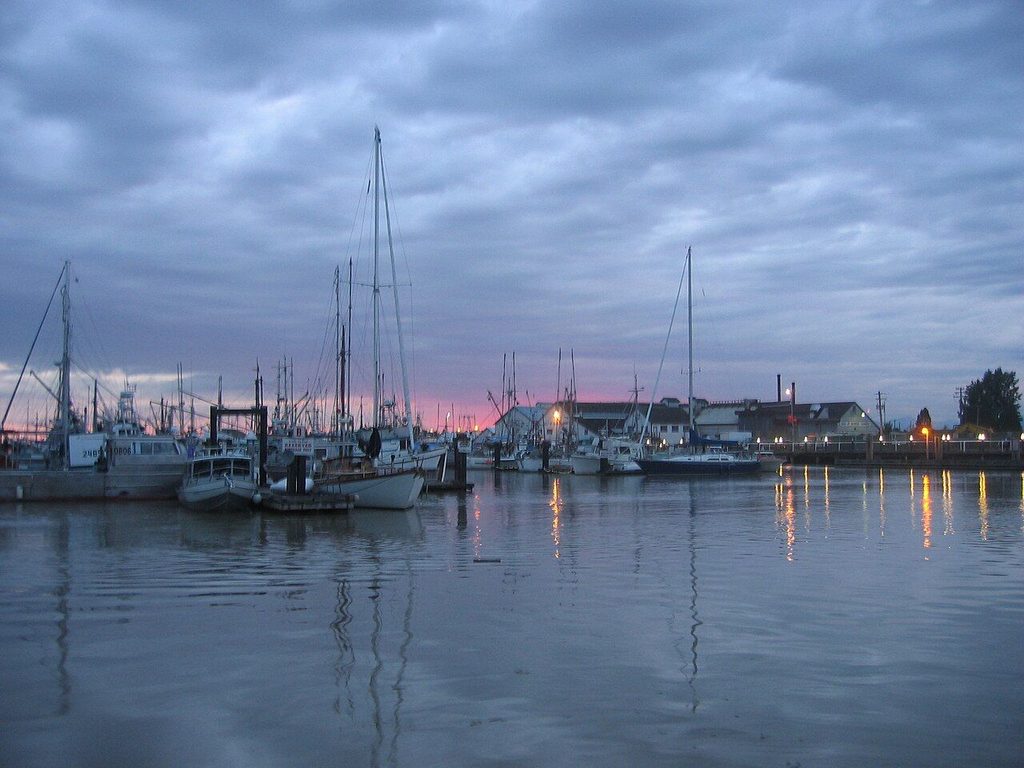
Fishing boats, a cannery turned museum and a boardwalk along the Fraser: how to spend an unhurried day at the southwest corner of Richmond. More in River and dykes
From the Canada Line About half an hour by busGetting there Bus from Richmond-Brighouse stationBring Rain shell, walking shoes, a bag for fish
Local note. The wind off the river mouth is cooler than in the city centre, even in summer. Carry a layer and expect the boardwalk to be slick after rain.
Steveston sits where the south arm of the Fraser River meets the Strait of Georgia, at the bottom left corner of Lulu Island. For more than a century it has been Richmond's working waterfront: boats tie up at the floats, nets dry on the docks, and the smell of salt water and diesel drifts across a village of low wooden buildings. It is the part of Richmond that most visitors remember, and it rewards a slow day more than a quick one.
The land here is the traditional territory of the Musqueam people, who fished the river mouth long before any cannery was built. Much of the island around you sits below high-tide level, held back by the dykes you will walk along.
The wharf and the boats
Start at the public fishing wharf at the foot of the village. Commercial boats come in here and, in season, some sell part of their catch straight from the deck: salmon, spot prawns, halibut, rockfish or crab, depending on the time of year and what the fishery allows. What is for sale, and when, changes from week to week, so treat it as a bonus rather than a plan. Boats usually post what they have on a board, and prices are set by each seller.
Even without buying, the floats are worth an hour. You can watch crews mending gear, gulls and herons working the edges, and harbour seals surfacing between the hulls. The ramps get steep at low tide, so take care with strollers.
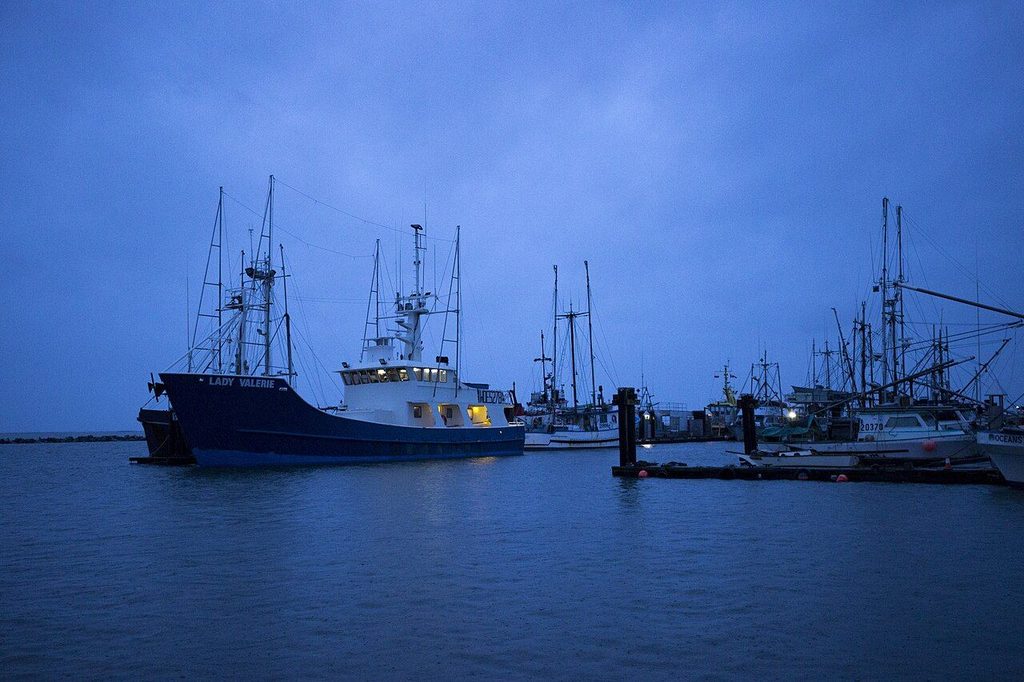
Early morning on a weekend is the liveliest time at the wharf. Weekday evenings are quieter, and in winter the light over the water turns grey and blue, which suits the place well.
The cannery and the history
Steveston grew around salmon. By the late 1800s the riverbank was lined with canneries, and the village filled each summer with fishers and plant workers: Indigenous families from up and down the coast, Chinese crews, Japanese fishermen and European settlers. The village takes its name from the Steves family, who farmed here from the late 1870s.
The Gulf of Georgia Cannery National Historic Site, at the west end of the boardwalk, is the best place to understand that story. The big wooden building dates from 1894 and was once among the largest canneries on the coast. Inside, the old canning line and the herring reduction plant are still in place, and the exhibits explain how fish moved from the boat to the can, and who did the work at each step. Plan at least an hour. Admission and opening days vary through the year.
Steveston grew around salmon.
Japanese Canadians shaped Steveston more than any other group in the early 1900s, and they also suffered its hardest chapter. In 1942 the federal government removed Japanese Canadians from the coast, seized their boats and sold their homes. Some families came back after the restrictions were lifted in 1949; many never did. You can see traces of this history across the village, and more of it at the shipyards just up the river.
The boardwalk and the village streets
A boardwalk and dyke path run along the river from the cannery east toward Britannia Shipyards, roughly a kilometre and a half of flat walking with the water on one side and old net lofts and newer houses on the other. It is easy going, there are benches all the way, and it links the two historic sites in a way the streets do not.
Back in the village, Moncton Street and Bayview Street hold most of the shops and places to eat. Fish and chips by the water is the classic choice, but you will also find bakeries, noodle counters and sushi. The Steveston Museum occupies an early-1900s bank building and still houses a small post office; it is a short, free stop that fills in the village's timeline. If the streets look familiar, that may be because several film and television productions have used Steveston as a small-town set.
Also worth a look: Garry Point and the West Dyke
Most of the village is compact enough to see on foot in an afternoon. Parking fills fast on sunny weekends, which is one more reason to come by bus.
Out to Garry Point
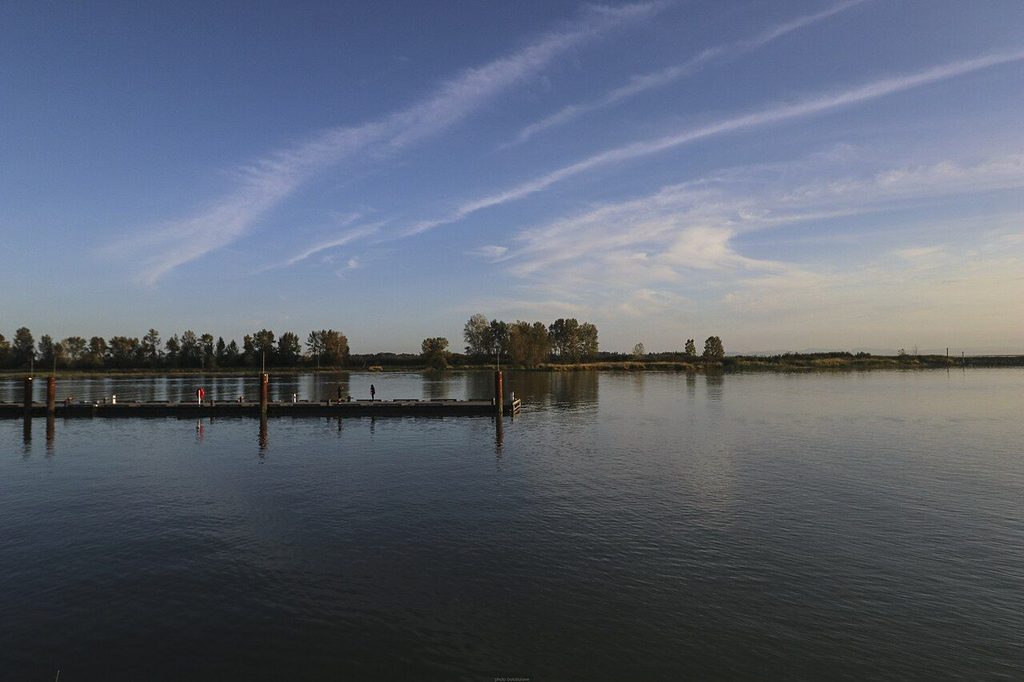
West of the cannery, the village gives way to open grass and sky. Garry Point Park sits right on the river mouth, a flat green headland with a sandy beach, driftwood and some of the best sunsets in the region. It is a ten-minute walk from the wharf. Kites fill the air on breezy afternoons, and the Fishermen's Memorial stands at the water's edge.
From Garry Point, the West Dyke Trail heads north along the marshes, and you can follow the dyke trail north for as long as your legs hold out. Many people walk out for half an hour and turn back at sunset.
Planning your day
Steveston works well as a half day or a full one. A loose plan looks like this:
- Morning: the fishing wharf, while boats are unloading and the light is soft.
- Late morning: the Gulf of Georgia Cannery, before tour groups arrive.
- Lunch: something from the village, eaten on a bench by the water.
- Afternoon: the boardwalk east to Britannia Shipyards and back.
- Evening: Garry Point for the sunset.
Summer brings the biggest crowds, especially on Canada Day, when the village hosts a large parade and festival. Spring and early autumn are calmer and often bright. Winter is wet and windy but has its own appeal: fewer people, low light, and boats that stay in port when the weather turns.
If you are coming from the airport or the city centre, take the Canada Line to Richmond-Brighouse station and switch to a bus heading south; the ride takes about half an hour. Buses run often during the day but less often late in the evening, which matters if you settle in for a long sunset. Cyclists can reach Steveston on dyke trails and quiet roads from most of Richmond.
If you only have a few hours between flights, Steveston is a stretch, but it is possible. See the layover guide for what fits and what does not.
Small things worth knowing
- Bring a cooler bag if you plan to buy fish; it is a long ride home without one.
- Public washrooms are near the wharf and in the parks, but they can be closed out of season.
- The boardwalk is level and works for wheelchairs and strollers; the floats are steeper at low tide.
- Gulls are bold. Keep an eye on your lunch.
- Weather on the river mouth changes fast. A dry morning can turn into a wet afternoon, and the wind picks up after midday.
Steveston is not a museum piece. It is still a working harbour with a large fishing fleet, and the village balances that with the visitors who come to look at it. Walk slowly, give the crews room on the docks, and it will feel like the real thing, because it is.